

Digital advertising reaches millions of people every day, yet many brands still struggle to create meaningful engagement with their audience. Consumers scroll past ads quickly, skip promotional videos, and often ignore messages that feel overly commercial.
Experiential marketing campaigns offer a different approach. Instead of asking customers to simply watch or read an advertisement, brands invite them to participate in an experience. That experience might involve product sampling, interactive displays, live demonstrations, or community events that allow people to interact directly with the brand.
When customers experience a brand in person, the connection tends to be far more memorable. This is why many organizations across Canada are increasingly incorporating experiential marketing into their overall marketing strategies.
When customers speak directly with brand representatives or brand ambassadors, they gain immediate answers to their questions. This personal interaction creates credibility and helps build trust in a way that digital advertising often cannot replicate.
People are more likely to remember something they experienced than something they merely saw online. Experiential campaigns create moments that customers associate with the brand long after the event ends.
Experiential events often spark conversations among attendees. Whether someone tries a product sample or participates in an interactive display, these experiences naturally encourage people to share their impressions with others.
Experiential marketing campaigns can take many forms depending on the goals of the brand and the audience they want to reach. Some campaigns focus on introducing new products, while others aim to strengthen brand recognition within a specific community.
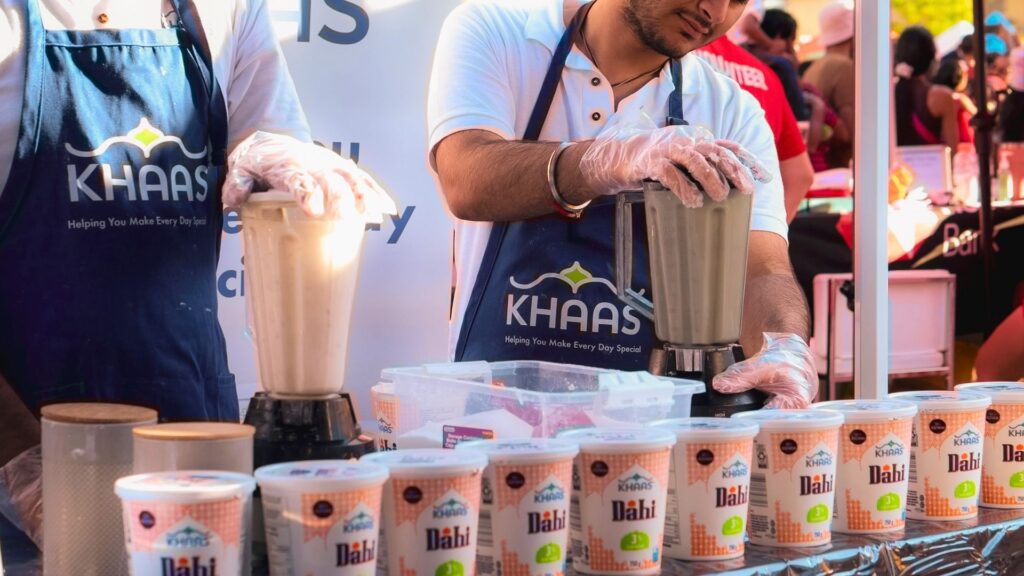
Product sampling allows consumers to try a product before making a purchase decision. This strategy is particularly effective for food, beverage, and consumer packaged goods brands that want customers to experience the product directly.
Pop-up activations create temporary branded environments where customers can explore a product or service. These installations are often placed in high-traffic areas such as shopping districts, festivals, or large public events.
Brands often partner with local events or community programs to connect with audiences in a meaningful setting. These campaigns allow companies to become part of the community while introducing their products in a natural way.
While experiential marketing focuses heavily on engagement, the most successful campaigns also include systems for capturing valuable customer information.
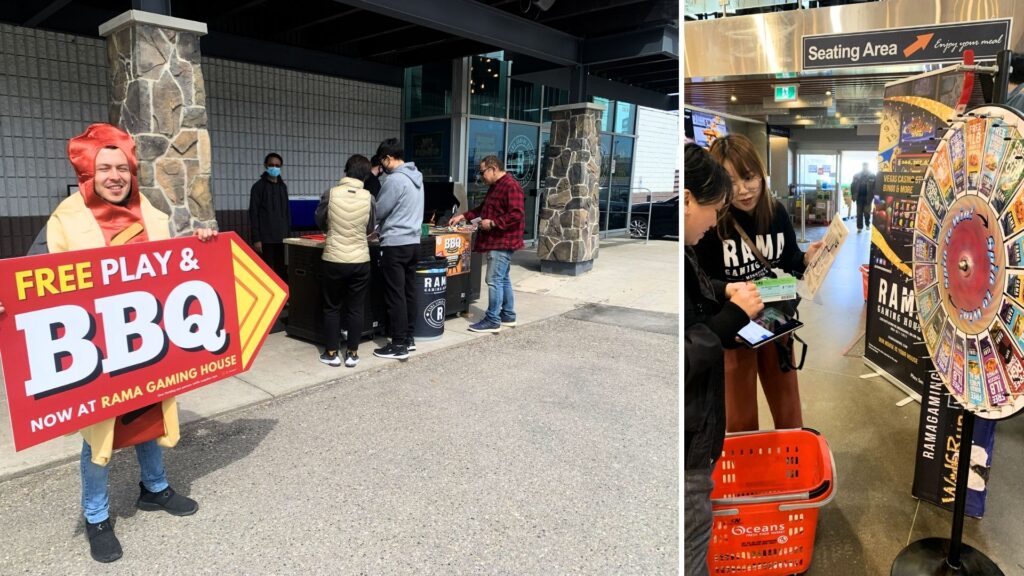
Contests and giveaways are often used to encourage participants to provide their email addresses or contact information. These incentives create excitement during the event while generating valuable leads for future marketing campaigns.
QR codes allow event participants to quickly connect with digital landing pages where they can access promotions, register for offers, or learn more about the product.
Brands frequently encourage visitors to follow social media pages or share content from the event. These interactions extend the reach of the campaign and help grow a brand’s online audience.
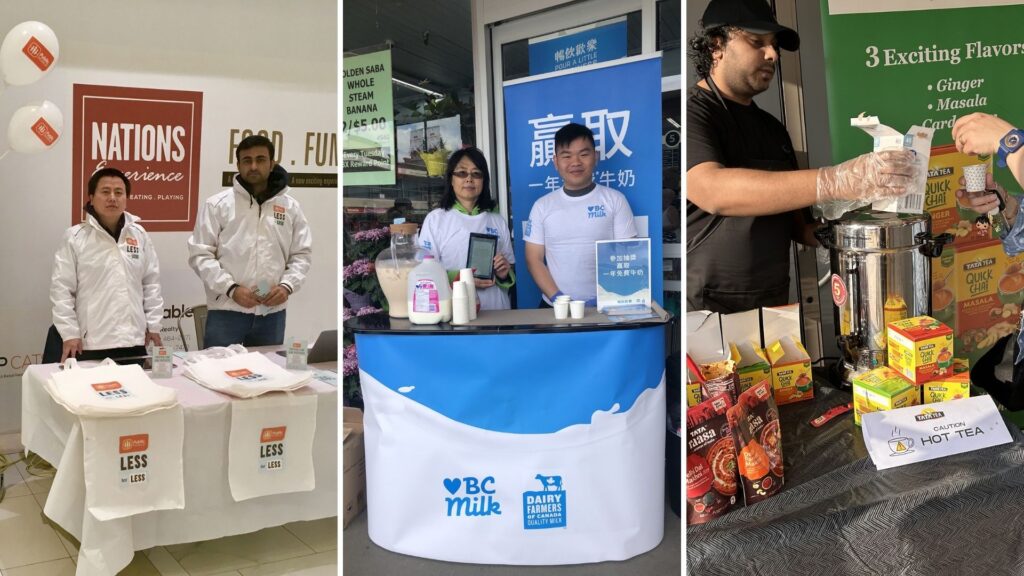
Brands across Ontario such as Public Mobile, TELUS, BC Dairy, Dairy Farmers of Canada, Tata’s Quick Tea, Rama Gaming House, and Mampster Foods have partnered with Brand Guruz to execute experiential marketing campaigns, product sampling programs, and community activations that connect directly with their audience.
From recruiting brand ambassadors to managing logistics and promotional materials, successful experiential campaigns require careful planning and coordination.
If your organization is planning a brand activation or experiential marketing campaign, visit our contact page to discuss how Brand Guruz can help bring your next campaign to life.