Why Most Experiential Marketing Campaigns Fail (And What Actually Works)

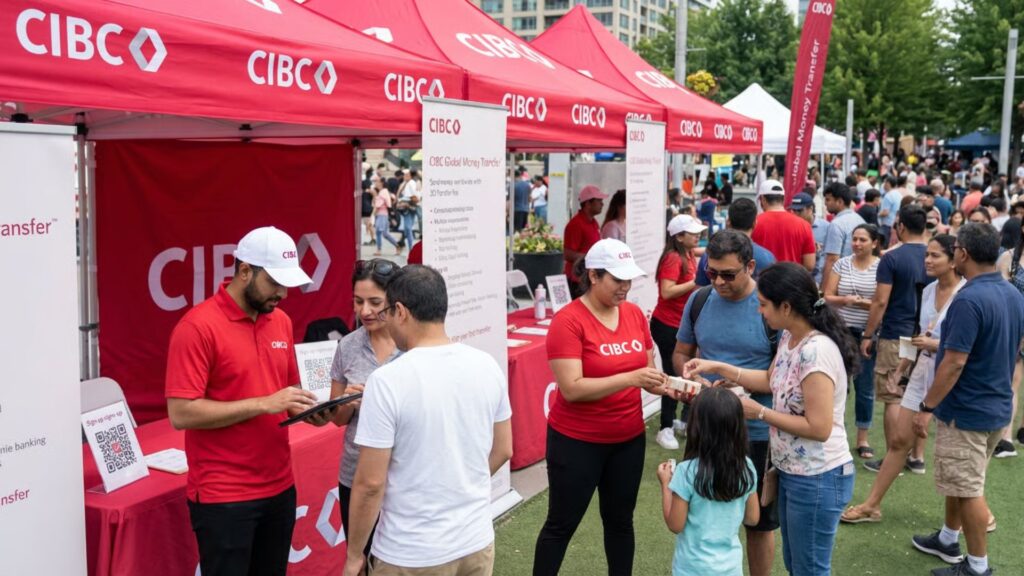
CIBC experiential marketing booth with brand ambassadors interacting and capturing attendee engagement at a live outdoor event.

Experiential marketing looks impressive.

Crowds gather. Photos get taken. Social media lights up.

However, visibility alone does not equal results.

The truth is, most experiential campaigns generate attention but fail to generate measurable business growth.

So what separates entertainment from performance?

1. Clear Strategic Objective

First, every successful campaign starts with a defined objective.

Are you trying to:

-Build awareness?
-Capture leads?
-Launch a product?
-Drive foot traffic?
-Generate partnerships?

Without clarity, activations become expensive brand exposure exercises.

In contrast, high-performing campaigns reverse-engineer the experience around measurable outcomes.

2. Audience Relevance

Next, the experience must align with the right audience.

Foot traffic alone is not a metric.

Relevance is.

For example, a high-volume festival may bring thousands of attendees. However, if your target demographic is not present, engagement becomes superficial.


Effective experiential marketing targets environments where audience intent matches brand positioning.

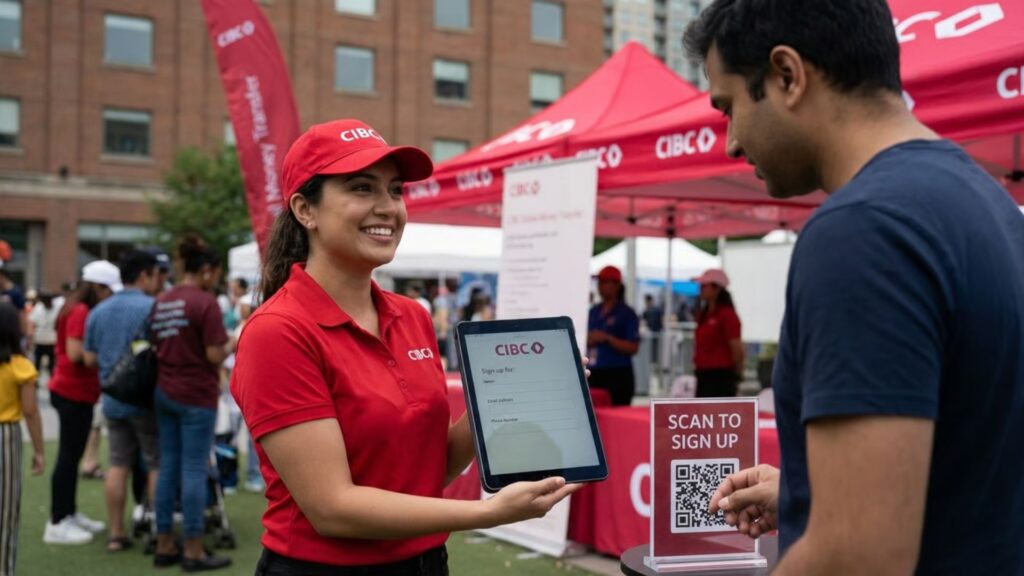
Brand ambassador collecting attendee contact information on tablet during live experiential marketing event.

3. Data Capture and Follow-Up

Here is where most campaigns fail.

They stop at engagement.

Successful experiential campaigns integrate:

-Digital lead capture
-QR-based sign-ups
-SMS opt-ins
-Giveaway entries tied to CRM
-Automated follow-up sequences

Without this structure, the momentum dies the moment the event ends.

When integrated properly, experiential marketing feeds directly into CRM automation systems and long-term nurturing.

If you want to see how digital systems connect to live activations, explore our
Digital Marketing & Automation services:

4. Measurable ROI

Finally, performance must be trackable.

Strong campaigns measure:

-Leads captured
-Cost per lead
-Engagement rate
-Conversion to sale
-Lifetime value impact

Experiential marketing without data is guesswork.

Experiential marketing with systems becomes scalable.

Final Thought

Experiential marketing works.

However, it only works when it is designed as part of a larger growth system.

Attention creates opportunity.

Data capture creates leverage.

Automation creates revenue.

If you are planning an activation and want it built around measurable performance, reach out to Brand Guruz here: