What is a brand ambassador and what do they do?

A brand ambassador is a person who represents a business in front of customers, promotes its products or services, answers questions, creates positive interactions, and helps people take the next step with the brand.

For many businesses, especially small and growing brands, a brand ambassador is often the first real human interaction a customer has with the company. That interaction can happen at a trade show, grocery store, festival, mall, retail demo, pop-up activation, campus event, or community gathering.

A strong brand ambassador does not simply hand out flyers. They help people understand the brand. They start conversations, build trust, demonstrate products, collect leads, distribute samples, explain offers, and create a more memorable customer experience.

For Ontario businesses, brand ambassadors can be especially valuable because live marketing helps brands connect directly with customers in busy, competitive markets like Toronto, Mississauga, Brampton, Vaughan, Markham, Hamilton, London, Kitchener, Waterloo, and Ottawa.


Brand ambassador speaking with customers at a live event activation in Ontario
A brand ambassador represents a business in person and helps create meaningful customer interactions.

What is a brand ambassador?

A brand ambassador is someone who represents a company in a public-facing role. Their job is to communicate the brand’s message, create a positive impression, and encourage people to engage with the product, service, or campaign.

Brand ambassadors can work in many different environments. Some support product sampling campaigns. Others work at festivals, retail stores, trade shows, corporate events, sporting events, university campuses, or pop-up experiences.

In experiential marketing, a brand ambassador acts as the bridge between the brand and the customer. They help turn a passive audience into an active one.

At Brand Guruz, brand ambassadors are often part of larger experiential marketing campaigns that include strategy, staffing, logistics, customer engagement, lead generation, and reporting.

What does a brand ambassador do?

A brand ambassador’s responsibilities depend on the campaign. However, most brand ambassador roles include a mix of customer engagement, product education, lead generation, sampling, and event support.

Here are the most common things a brand ambassador does:

  • Greets customers and starts conversations
  • Explains products, services, or campaign offers
  • Hands out samples, flyers, coupons, or promotional items
  • Demonstrates how a product works
  • Encourages people to scan QR codes or sign up
  • Collects leads, emails, or customer feedback
  • Answers basic customer questions
  • Represents the brand in a friendly and professional way
  • Supports booth setup, display maintenance, and event flow
  • Reports customer reactions and campaign results

The best ambassadors are not pushy. They are approachable, clear, professional, and confident. Their goal is to make the customer feel comfortable enough to engage.

Why brand ambassadors matter in experiential marketing

Experiential marketing is built around real-world interaction. A booth, display, or event space may attract attention, but the ambassador is often the person who turns that attention into a conversation.

This matters because people are more likely to remember a brand when they experience it directly. A customer may forget an ad, but they are more likely to remember a helpful conversation, a product sample, a live demo, or a positive interaction at an event.

Industry resources like Event Marketer frequently discuss the value of live brand experiences because they allow companies to create direct engagement with audiences.

For brands in Ontario, this is especially useful in multicultural and high-traffic environments where personal connection can help a business stand out from competitors.

Brand ambassador offering product samples to customers during an experiential marketing activation in Canada
Brand ambassadors help customers try products, ask questions, and engage with the brand in real time.

Types of brand ambassadors

Not every brand ambassador does the same job. The right type depends on the campaign goal, location, audience, and product or service being promoted.

1. Event brand ambassadors

Event brand ambassadors represent a business at festivals, conferences, trade shows, sporting events, and community events. They help attract visitors, explain the offer, manage booth traffic, and encourage engagement.

2. Product sampling ambassadors

These ambassadors are commonly used by food, beverage, wellness, and consumer packaged goods brands. Their job is to distribute samples, explain the product, answer questions, and encourage trial.

3. Retail demo ambassadors

Retail demo ambassadors work inside stores or shopping environments. They may demonstrate a product, educate shoppers, hand out coupons, and support sales near the point of purchase.

4. Lead generation ambassadors

These ambassadors focus on collecting customer information. They may help people sign up for a service, scan a QR code, complete a form, download an app, or book a consultation.

5. Campus ambassadors

Campus ambassadors promote brands to students at colleges and universities. They are often used for apps, lifestyle brands, telecom, financial services, events, and youth-focused campaigns.

6. Bilingual or multicultural ambassadors

In diverse markets like Ontario, bilingual or multicultural ambassadors can help brands communicate with audiences more naturally. This can be valuable at cultural festivals, community events, and neighbourhood activations.

What skills should a brand ambassador have?

A good brand ambassador needs more than a friendly personality. They must be able to communicate clearly, stay professional, and adapt to different customer reactions.

Important brand ambassador skills include:

  • Clear communication
  • Confidence speaking with strangers
  • Professional appearance and behaviour
  • Reliability and punctuality
  • Product knowledge
  • Ability to follow campaign instructions
  • Positive attitude
  • Basic sales or customer service skills
  • Comfort using tablets, QR codes, or lead forms
  • Ability to represent the brand accurately

The most valuable ambassadors know how to create a natural conversation. They do not pressure people. They listen, respond, and guide the customer toward the next step.

What does a brand ambassador not do?

This is important because many businesses misunderstand the role. A brand ambassador is not the same as a full sales team, marketing strategist, event planner, or campaign manager.

A brand ambassador can support customer engagement, but they need the right campaign structure around them. They need clear messaging, proper training, strong materials, a good location, and a defined goal.

If a business hires ambassadors without a strategy, the results will usually be weak. The ambassador may be friendly, but the campaign still needs a clear reason for people to stop, listen, and take action.

This is why many companies work with an experiential marketing agency instead of hiring ambassadors alone. The agency can connect staffing with strategy, logistics, creative planning, and reporting.

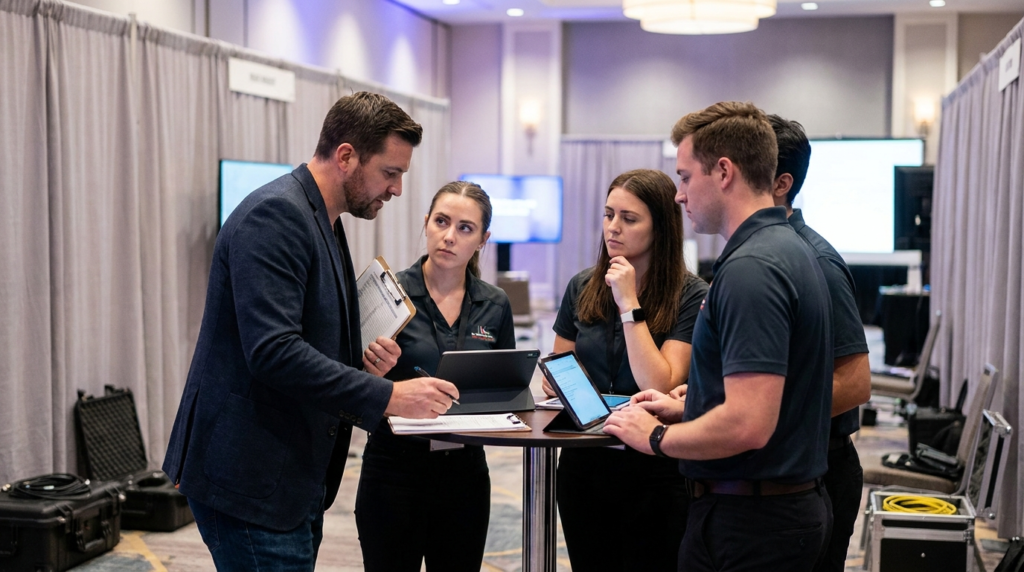
Field manager briefing brand ambassadors before a live marketing activation
Strong results come from trained ambassadors, clear messaging, and a well-planned campaign structure.

How brand ambassadors help small businesses

For small businesses, brand ambassadors can be a practical way to increase visibility and generate real customer interaction. Instead of waiting for people to find the business online, ambassadors bring the business directly to the audience.

They can help small businesses:

  • Build local awareness
  • Introduce new products or services
  • Drive traffic to a booth, store, or website
  • Collect leads and customer feedback
  • Support product launches
  • Create a stronger presence at events
  • Reach diverse communities more effectively

The Business Development Bank of Canada highlights the importance of building a brand customers trust. Brand ambassadors can support this by creating real human interactions that feel helpful, not forced.

Should your business hire brand ambassadors?

Your business should consider hiring brand ambassadors if you want to connect with customers in person, increase product trial, generate leads, support an event booth, or create a stronger local presence.

Brand ambassadors are especially useful when your product or service benefits from explanation, demonstration, sampling, or personal conversation.

However, do not hire ambassadors just to “have people there.” That is a waste of money. Hire them when you have a clear goal, a defined audience, a strong message, and a next step for customers to take.

If your business needs help planning the full campaign, contact Brand Guruz to discuss brand ambassador staffing, experiential marketing, and on-ground activation support in Ontario and across Canada.

Final thoughts

A brand ambassador is a person who represents a business in front of customers and helps create positive, memorable interactions. They may support events, sampling campaigns, retail demos, pop-ups, lead generation, and community activations.

Their role is not only to promote. Their role is to connect. When trained properly, brand ambassadors can help customers understand the brand, trust the offer, and take action.

For small businesses and growing brands, the right brand ambassador can make live marketing feel more personal, professional, and effective.

Author