Case Studies of Successful Event Marketing by Major Companies

Event marketing is one of the most powerful tools a brand can use to connect with its audience. When executed well, it creates memorable experiences, sparks word-of-mouth, and delivers measurable results. At Brand Guruz, we help Ontario businesses craft experiences that leave a lasting impression. To show you what’s possible, we’ve gathered four standout event marketing case studies from some of the world’s biggest brands.

1. Apple — The Keynote as a Cultural Event

Few brands have turned a product announcement into a global phenomenon quite like Apple. Since Steve Jobs introduced the original iPhone in 2007, Apple’s keynote events have become some of the most-watched live streams on the planet. In fact, Apple Events consistently draw millions of simultaneous viewers worldwide — with no paid media needed to fill seats.

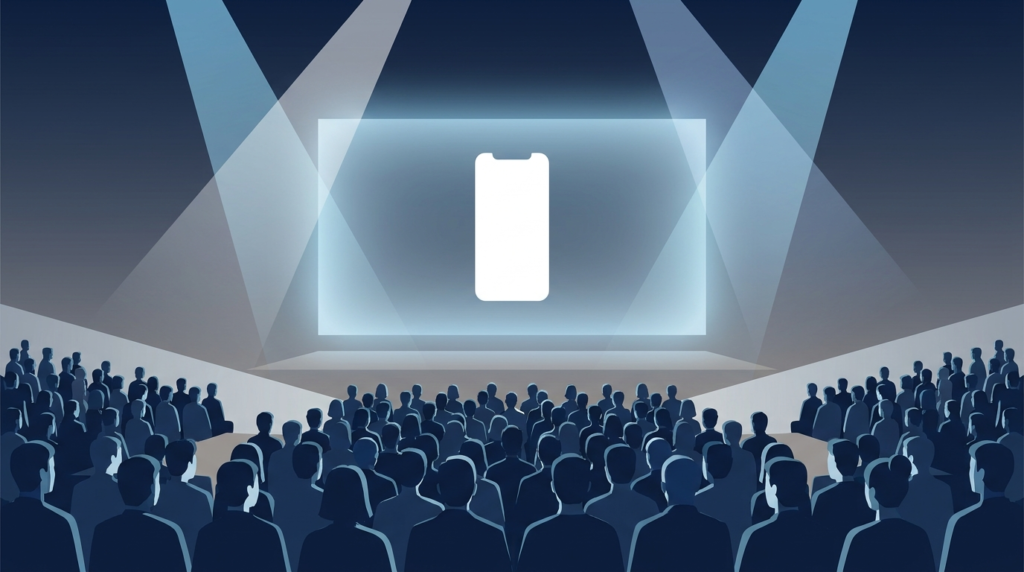
Apple’s genius lies in how it treats its launch events as pure storytelling. Each keynote follows a tightly scripted narrative arc. The company builds suspense, reveals surprises, and uses live demos to make audiences feel the product before it ships. The venue, the lighting, and the music all reinforce one message: this changes everything.

The result? Organic media coverage worth billions of dollars in earned impressions — every single year. The lesson here is clear. A well-produced event is not just a launch; it is a content engine.

Illustration of product launch event with audience facing large stage screen displaying smartphone concept, dramatic lighting, and keynote presentation setting.

2. Coca-Cola — The "Share a Coke" Experiential Tour

In 2011, Coca-Cola launched one of the most talked-about personalization campaigns in marketing history. The “Share a Coke” campaign replaced the iconic Coca-Cola logo on bottles with popular first names. However, the brand did not stop at packaging. It took the campaign to the streets with a nationwide experiential tour.

Across shopping centres and public spaces, Coca-Cola set up interactive kiosks where consumers could print their own personalised Coke cans on the spot. The brand turned a simple product into a gift. As a result, people naturally shared photos of their personalised cans on social media, creating a wave of user-generated content (UGC) that no ad budget could replicate.

U.S. Coca-Cola sales grew 2% during the “Share a Coke” campaign — the first volume increase in over a decade.

The key takeaway? Great event marketing meets people where they already are. It removes barriers and invites participation. In addition, it gives attendees something worth sharing — because sharing is the new word-of-mouth.

3. Spotify — Bringing "Wrapped" Into the Real World

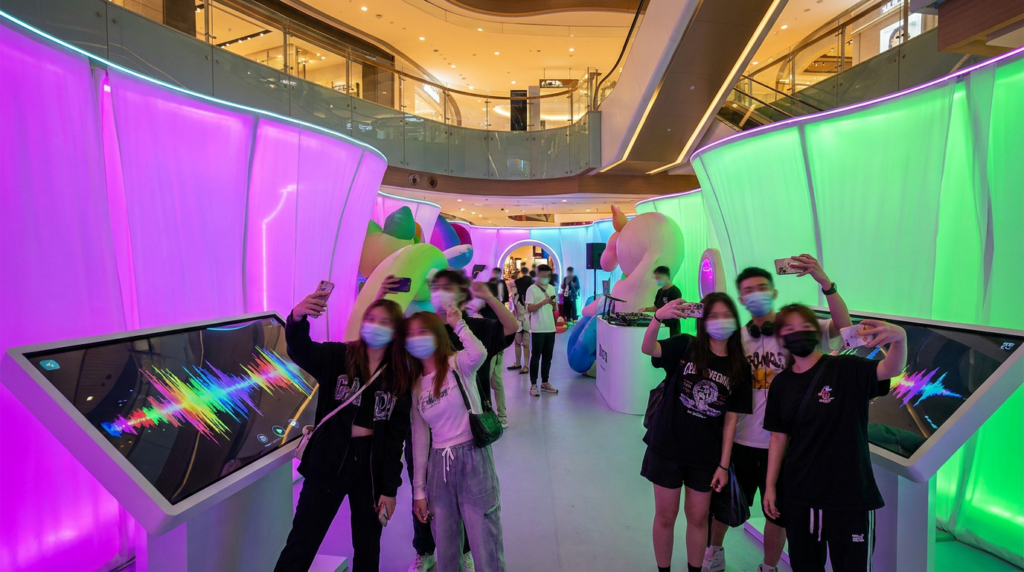
Interactive experiential installation in shopping mall with colorful LED walls, touchscreen displays, and visitors taking selfies in immersive digital activation space.

Every December, Spotify Wrapped turns personal listening data into a viral moment. In recent years, Spotify has extended this digital phenomenon into the physical world through pop-up experiences in major cities. These temporary brand activations let fans step inside their music data, take photos, and share their love for their top artists in person.

The activations were designed to be inherently shareable. Every installation was a photo opportunity. Therefore, the real-world event extended Spotify’s digital reach far beyond its own app. According to Spotify’s Newsroom, Wrapped generates hundreds of millions of social shares annually — with offline activations adding significant fuel to that fire.

This case study proves that digital-first brands can win big in physical spaces. Moreover, it shows that the best activations are designed backwards — starting with the social share, not the event itself.

4. IKEA — The Overnight Sleepover Experience

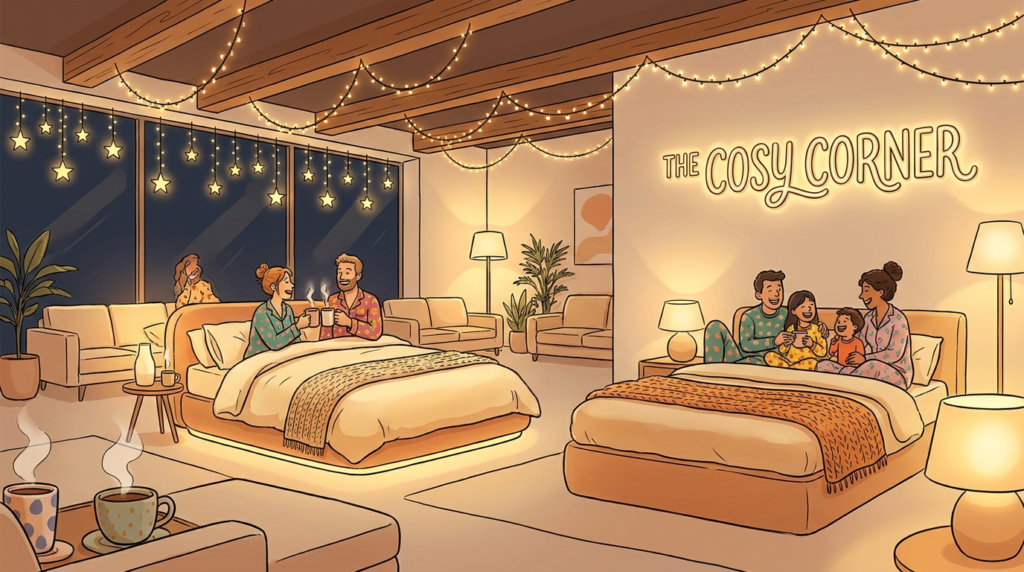
In 2011, IKEA UK invited 100 lucky fans to spend a night inside one of its stores — complete with pyjamas, bedtime stories, and a manicure. The idea started as a joke on IKEA’s Facebook page. A customer asked if they could sleep in the store, and IKEA said yes. The “IKEA Sleepover” became an international news story overnight (pun intended).

The stunt cost very little to produce. Nevertheless, it earned IKEA global media coverage, social media buzz, and a wave of goodwill from customers who adored the brand’s playful, human side. Furthermore, it reinforced exactly what IKEA stands for: comfortable, liveable home spaces.

The lesson here is simple. You do not need a massive budget for effective event marketing. You need a great idea, a willing audience, and the courage to say yes. For more on how to build low-budget, high-impact campaigns, read our guide on experiential marketing for small and mid-sized businesses.

A whimsical, cosy scene inside a modern furniture showroom at night — soft warm lighting, perfectly made display beds with guests in pyjamas laughing and enjoying hot drinks, fairy lights draped across ceiling displays, playful and editorial illustration style, warm amber and cream colour palette.

Key Takeaways for Your Event Marketing Strategy

These four event marketing case studies span different industries, budgets, and formats. However, they all share the same core principles. Here is what you can apply directly to your next campaign:

A clear story. Apple, Coca-Cola, Spotify, and IKEA each had a simple, compelling narrative at the heart of their events.

Built-in shareability. Each experience gave attendees a reason — and an easy way — to spread the word.

Emotional resonance. The best events make people feel something. Delight, surprise, nostalgia, belonging — pick one and commit to it.

A clear call to action. Every event tied back to a measurable brand goal, whether that was a product launch, a sales uplift, or earned media coverage.

According to the Event Marketer Industry Report, 91% of consumers say they have more positive feelings about a brand after attending one of its events. That number alone should tell you everything you need to know about the ROI of event marketing done right.


Ready to Create Your Own Success Story?

Brand Guruz is an Ontario-based marketing agency that specialises in event marketing, brand strategy, and experiential campaigns. Let’s build something your audience will never forget.

Author