What Are Some Successful Experiential Marketing Campaigns by Major Brands?

The most successful experiential marketing campaigns in history share one quality: they made people feel something. Not just see something — feel it. Whether it was awe, joy, surprise, or belonging, the world’s top brands have long understood that emotion is the engine of consumer memory. Studying these campaigns is not just inspiring — it is instructive. It reveals the principles that separate a forgettable activation from a cultural moment. And for brands operating in competitive markets like Toronto and the GTA, those principles are directly applicable. Here is a look at some of the most celebrated experiential marketing campaigns ever executed — and what Canadian brands can learn from each one.

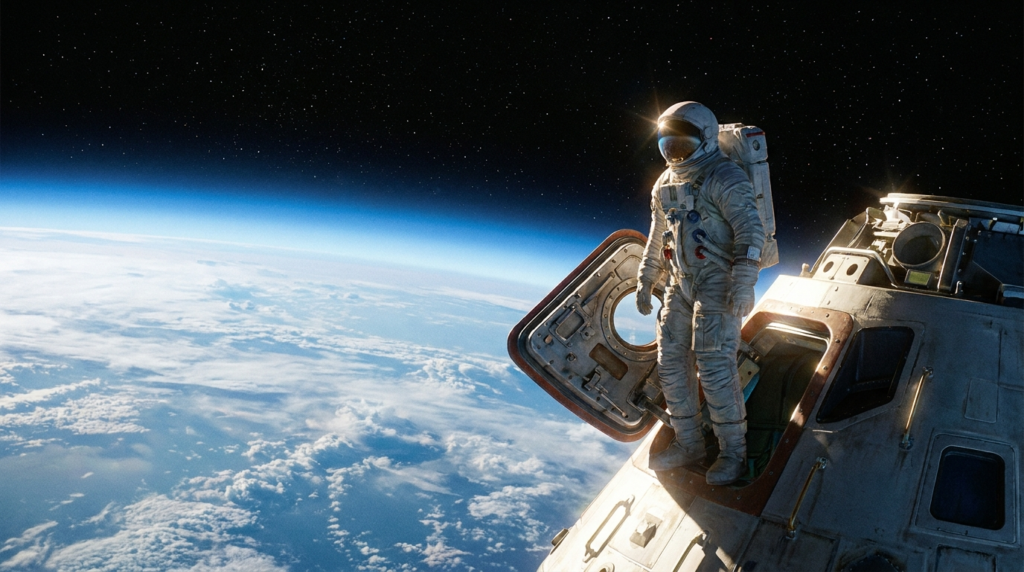
Red Bull Stratos: Turning a Stunt Into a Global Brand Statement

In October 2012, Red Bull sponsored Felix Baumgartner’s freefall from the stratosphere — a jump from more than 39 kilometres above the Earth’s surface. The event was broadcast live on YouTube and attracted over eight million concurrent viewers, setting a streaming record at the time. It became one of the most-watched live events in internet history.

What made Red Bull Stratos a masterclass in experiential marketing was its perfect alignment between brand identity and activation concept. Red Bull had spent decades positioning itself around the idea of pushing human limits. The stratosphere jump did not advertise that idea — it proved it. The brand did not need to say a word. The experience spoke entirely for itself.

The lesson for Canadian brands is clear. The most powerful activations are not decorative — they are definitional. They do not describe your brand values; they demonstrate them in a way that no advertisement ever could. According to Forbes, the Red Bull Stratos campaign generated an estimated $500 million in media coverage value, an ROI figure that reframed how the industry thought about experiential investment entirely.

Astronaut standing in spacecraft doorway above Earth’s atmosphere, with planet horizon and star-filled space background, evoking exploration and innovation.

Coca-Cola's Happiness Machine: Small Gesture, Massive Reach

In 2010, Coca-Cola placed a modified vending machine on a university campus. When students inserted their coins, the machine dispensed not just one Coke — but flowers, pizza, a giant submarine sandwich, and enough drinks to share with an entire common room. Hidden cameras captured every reaction. The resulting video was released online and accumulated millions of views within days.

The Happiness Machine campaign worked because it was rooted in genuine human delight. It did not ask consumers to engage with a brand message — it surprised them with an experience that felt like a gift. Furthermore, it was inherently shareable. Every viewer wanted to pass along something that made them smile.

For marketers in Toronto, this campaign illustrates the power of unexpected generosity as an activation mechanic. In a city where consumers are exposed to thousands of brand impressions daily, an experience that gives something real — a sample, a moment of joy, a meaningful interaction — cuts through in a way that no banner ad ever will.

Nike's Breaking2: Turning Athletic Achievement Into Brand Theatre

In 2017, Nike organized a live attempt to break the two-hour marathon barrier, staging the event at a Formula 1 circuit in Monza, Italy. Elite runners Eliud Kipchoge, Lelisa Desisa, and Zersenay Tadese competed in the attempt, which was streamed live globally and covered extensively by international media. Kipchoge missed the barrier by just 25 seconds — but the event itself was an unqualified success for the brand.

In essence, Breaking2 was experiential marketing at the intersection of sport, science, and storytelling. Nike used the event to launch its Vaporfly shoe technology — but the product was never the headline. The human story was the headline. The product simply earned its credibility by being present.

This approach — leading with a compelling human narrative and allowing the brand to be the enabler rather than the hero — is one of the most transferable lessons in modern experiential marketing. As Harvard Business Review has noted, consumers respond most powerfully to brand experiences that position them, or people they admire, as the central character.

Sprinters exploding off starting blocks on track at sunrise, capturing speed, competition, and peak athletic performance.

Refinery29's 29Rooms: Building a Brand Through Community Experience

Refinery29, the digital media brand, created 29Rooms as an annual interactive art and culture experience — a walk-through installation divided into themed rooms, each designed with a brand partner. The event was conceived as a physical expression of Refinery29’s editorial identity: bold, creative, and community-centred.

What made 29Rooms remarkable was how successfully it transformed a media brand into a cultural destination. Attendees did not come to consume content — they came to be part of something. Every room was designed to be photographed and shared, generating an enormous volume of organic social content. In addition, the event created genuine community around the brand — something no amount of digital publishing could replicate.

For brands thinking about how to build deeper audience relationships, 29Rooms offers a compelling model. Experience-first thinking — designing something worth attending, rather than something worth advertising — is increasingly the standard that consumers hold brands to.

What Every Successful Campaign Has in Common

Looking across these campaigns, several shared principles emerge that apply directly to brands planning activations in Toronto and across Canada.

Authenticity to brand identity. Every campaign succeeded because it felt like a genuine expression of the brand — not a marketing add-on. Red Bull did not sponsor a garden party. Coca-Cola did not build a luxury lounge. The experience matched the brand’s essence exactly.

Emotion over information. None of these campaigns led with product features or brand messaging. They led with feeling — awe, joy, inspiration, belonging. Information followed. Emotion opened the door.

Inherent shareability. Each activation was designed to travel. The experience was the content. Social amplification was built into the concept, not bolted on afterward.

Community at the centre. Whether it was a campus vending machine or a 29-room art installation, each campaign put real people — their reactions, their stories, their participation — at the heart of the experience.


How Brand Guruz Applies These Principles in Toronto

Understanding what makes a campaign great is one thing. Executing it in a specific market, for a specific audience, with a specific budget is another. That is precisely where Brand Guruz delivers.

Brand Guruz is an Ontario marketing agency that designs and executes experiential campaigns built on the same principles that made these global examples famous — authenticity, emotion, shareability, and community. For brands operating in Toronto’s multicultural and competitive consumer landscape, the agency brings the local expertise, cultural intelligence, and creative depth to make those principles work at every budget level.

From CPG sampling campaigns in Brampton to large-scale brand activations at GTA cultural festivals, Brand Guruz has a track record of turning brand briefs into genuine consumer moments. Explore Brand Guruz’s experiential marketing services to see how this approach comes to life in practice.

Ready to create your brand’s next memorable campaign? Contact Brand Guruz today and start building something worth experiencing.

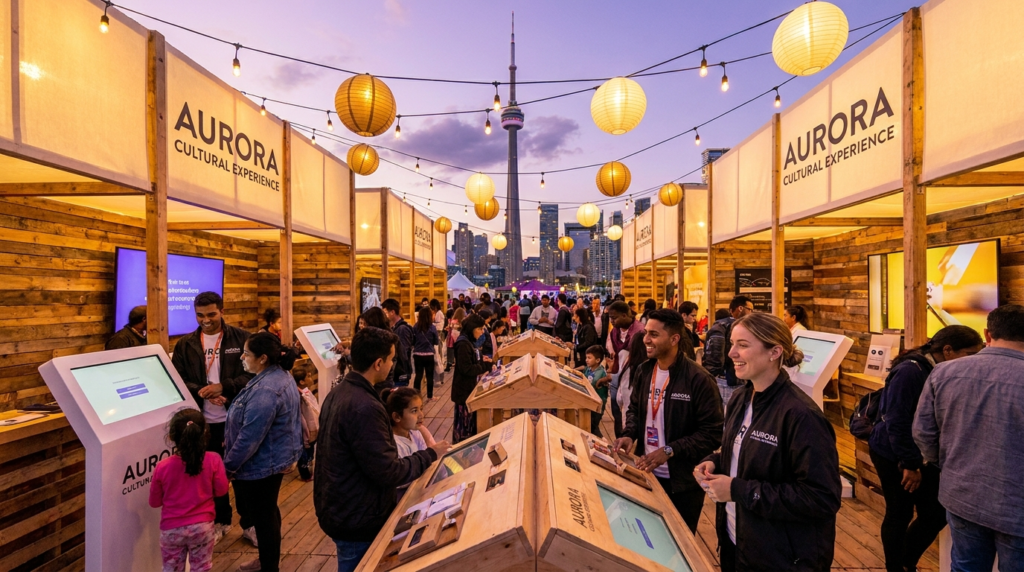
Aurora Cultural Experience activation in Toronto with interactive booths, lantern lighting, engaged crowd, and CN Tower skyline creating immersive brand experience.

Brand Guruz is an Ontario-based marketing agency specializing in experiential marketing, brand activation, and multicultural campaigns across Toronto and the Greater Toronto Area.

Author