AI-Powered Personalization in Experiential Marketing: Real-Time Adaptation at Scale

Your pop-up activation has 500 people walking through. One visitor is a Gen Z tech enthusiast. Another is a 55-year-old executive evaluating your product category. A third just came in for the free giveaway.

Yesterday, they’d all experience the same thing.

Today, thanks to AI-powered personalization, they each walk into a completely different activation. The music shifts. The messaging adapts. Interactive zones recommend different content. For the tech enthusiast, it’s cutting-edge. For the executive, it’s credibility-focused, and for the casual visitor, it’s pure entertainment.

AI is becoming the backbone of next-generation experiential marketing. In 2026, personalization will move far beyond segmented messaging—events will adapt in real time to attendee behavior, preferences, and movement patterns. This isn’t futuristic anymore. It’s happening now.

Why Real-Time Personalization Changes Everything

Traditional experiential marketing treated the activation as a fixed experience. You built one environment, invited everyone into it, and hoped they connected with your brand.

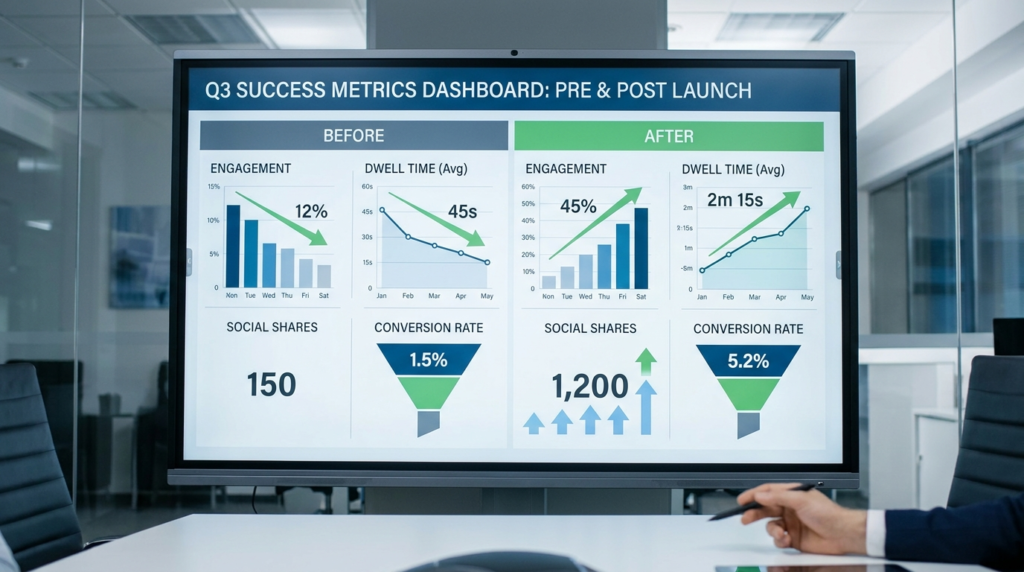
Contrast this with personalization. When users can customize their experience, they spend significantly more time interacting and are more likely to share their creations on social media. McKinsey research found that fast-growing companies generate 40% more of their revenue from personalization compared to their slower-growing competitors.

For experiential marketers, the math is simple: longer dwell time + higher engagement + more social sharing = better ROI. But here’s the catch: you can’t manually personalize 500+ attendees. Humans can’t watch every person, track their interests, and adjust the environment accordingly.

Enter AI.

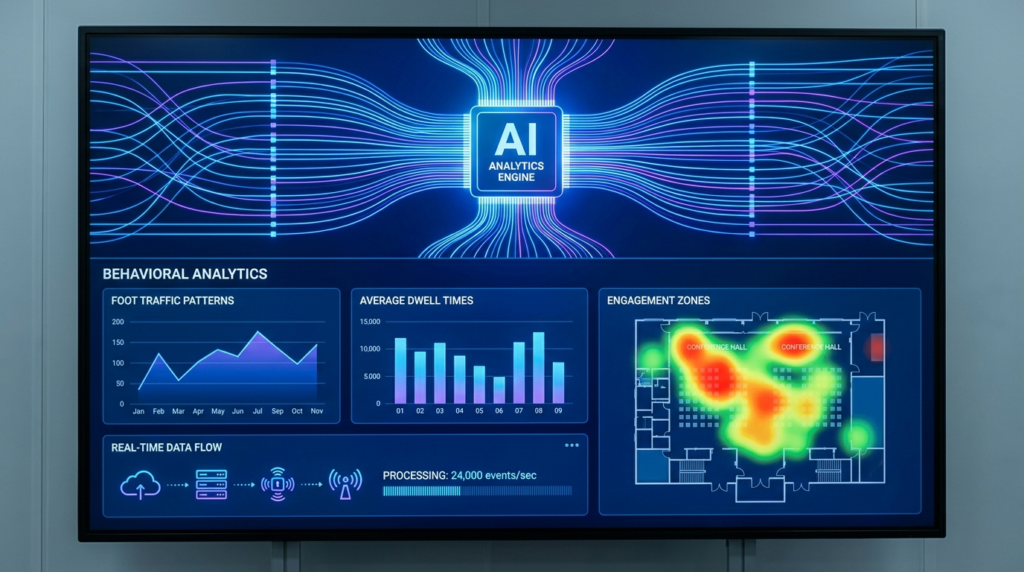
AI system analyzing real-time attendee behavior during event

How AI Personalizes at Scale

The infrastructure sounds complex. The reality is elegant.

First, AI analyzes foot traffic and behavior to optimize attendee flow toward underused zones and balance congestion. This makes large activations feel more intuitive and comfortable, preventing bottlenecks that kill engagement. Sensors and motion tracking feed real-time data into machine learning models that predict where crowds will surge next.

Second, screens, installations, and interactive zones adjust messaging or visuals based on audience demographics, dwell time, or engagement signals. Imagine walking past a digital display that recognizes you’ve spent 90 seconds looking at Product A. It adjusts to show you complementary products instead of repeating the same content. Each person’s experience feels tailor-made, even at scale.

Third, AI models forecast which sessions, zones, or moments will attract the most attention—and where reinforcement or rebalancing may be needed. This improves both operations and satisfaction. If your AI predicts a particular demo will draw massive crowds, you can add staff there preemptively. If a zone is underperforming, you can dynamically boost its visibility.

The result? Your activation runs like a living organism—constantly adapting to keep attendees engaged.

From Gimmick to Infrastructure

Here’s where most brands miss the mark: they treat AI as the attraction, not the enabler.

Some activations install impressive AI displays that generate buzz on opening day, then become novelties. That approach dies quickly. Attendee expectations plateau. Your ROI declines.

The brands seeing real lift in 2026 are not using AI as a front-facing gimmick. Instead, they’re using it as infrastructure behind the scenes to optimize staffing, consent-based personalization, content workflows, and measurement. This shift matters because in-store experiential only works when execution is consistent across locations, formats, and traffic conditions.

Think of AI like plumbing. You don’t notice great plumbing—you only notice when it fails. Same with AI-powered personalization. When done well, attendees never realize the experience is adapting in real time. It just feels right.

Performance metrics showing improved engagement from AI personalization

Real-World Personalization in Action

One music-tech brand faced the challenge of blending AI-generated content with an interactive 3D environment that adapts in real time. Their activation let each visitor generate custom music based on their preferences via a simple quiz—genre, mood, tempo, theme, and color. Users could choose their preferred style, resulting in a unique musical experience that reflected their personality.

The outcome? Visitors spent significantly longer at the installation because they’d created something genuinely theirs. Social sharing skyrocketed because attendees wanted to show off their unique creation. Engagement time tripled compared to standard passive installations.

Another retail brand used AI-driven skin analysis to recommend products that converted 4x better than standard browsing. Customers felt truly understood. The brand got their needs and knew exactly how to meet them.

These aren’t exceptions. They’re the new baseline for effective activations.

The Infrastructure Required

Implementing AI personalization isn’t like plugging in a new speaker system. You need three layers.

Data Collection: Capture behavioral data—dwell time in zones, which content attendees interact with, demographic signals, opt-in preference data. Modern activations use motion sensors, mobile tracking, and interactive touchpoints to feed data into your system.

Real-Time Processing: Feed that data into machine learning models that make instant decisions. Which content should display for this specific attendee? Which zone needs traffic rebalancing right now? Are there staff members that should be repositioned? All of this happens in seconds.

Ethical Boundaries: Personalization works in 2026 when it feels helpful, not invasive, and when it supports a real decision the attendee is already trying to make. Transparency matters. If you’re collecting data, tell attendees why and give them control.

The setup requires partnership with a tech provider that specializes in experiential AI, but the ROI justifies it. Brands leveraging AI grow 2.3 times faster than their manual counterparts.


Ontario Experiential Agencies: Your Competitive Advantage

Most experiential agencies in Canada are still operating on static activation models. They build one experience, deploy it, measure attendance, and move on.

Agencies that integrate AI-powered personalization do something different. They build adaptable experiences that improve in real time. Each activation becomes better as it learns what works. Each attendee leaves feeling like the experience was designed specifically for them.

For brands evaluating experiential agencies in Ontario, AI-personalization capability is becoming a table-stakes differentiator. Agencies without this infrastructure are increasingly commoditized. Agencies with it command premium pricing because the ROI is measurably higher.

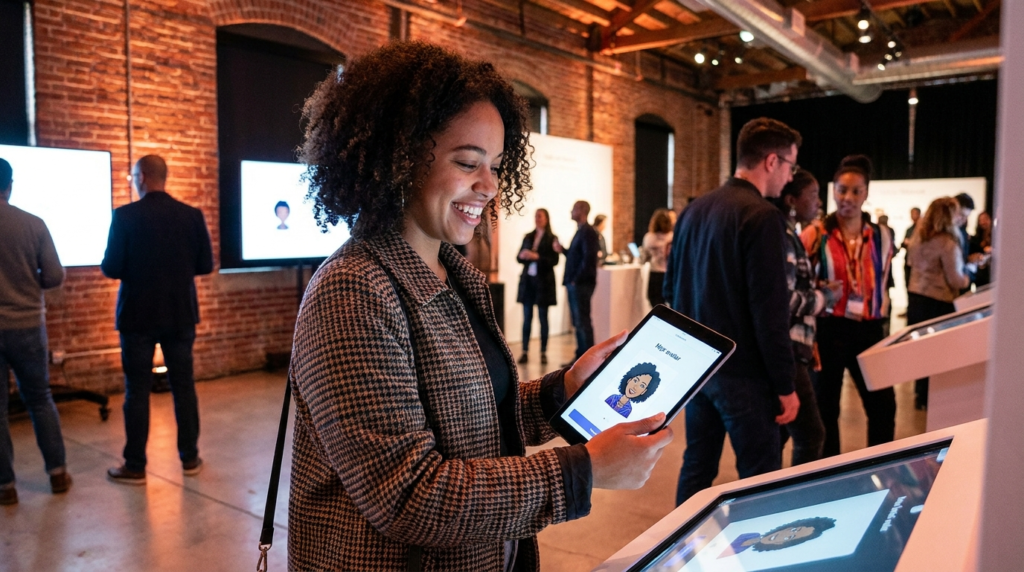
Attendee delighted by personalized experiential marketing experience

Measuring AI Personalization Impact

You can’t optimize what you don’t measure. Here’s what winning activations track.

Dwell time per zone becomes your primary metric. AI lets you measure not just whether people attended, but how long they lingered in each space and which content they engaged with most. This granular data reveals what actually works.

Engagement depth measures quality interactions—quiz completions, custom content creation, product recommendations accepted. These signal genuine interest, not passive walking-through.

Social amplification matters enormously. If attendees create something uniquely theirs, they’re far more likely to photograph it and share it online. Track hashtag mentions, tagged posts, and earned media impressions.

Post-event conversion tracks the real payoff. Did attendees become customers? Did they sign up for future engagement or recommend the brand to others? Connect your activation data to sales CRM to close the attribution loop.

Your Next Steps

Evaluate whether AI personalization makes sense for your next activation. It’s essential if you’re:

  • Running multi-day activations with high foot traffic
  • Targeting mixed audiences with different personas
  • Measuring success beyond attendance numbers
  • Competing in saturated categories where differentiation matters

If so, brief your technology partner on these requirements: real-time processing capability, ethical data handling, seamless attendee UX, and clear ROI metrics.

If you’re still proving activation value through basic metrics, start there first. Master attendance tracking and basic engagement measurement before layering in AI complexity.

Your roadmap doesn’t need to be fancy. It just needs to be intentional.

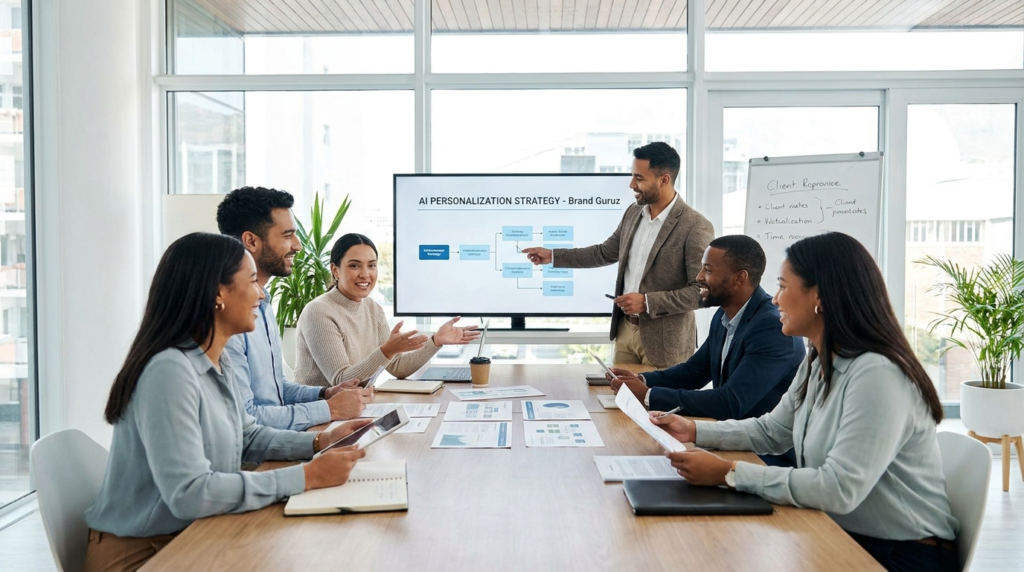
Brand Guruz team planning AI-powered experiential strategy with client

Ready to integrate AI-powered personalization into your next activation? Contact Brand Guruz to design experiential events that adapt in real time to every attendee.

Author