Pop-Up Shop Marketing: A Step-by-Step Guide for Brands
Pop-up shops have evolved from quirky retail experiments into a strategic marketing channel that even the world’s biggest brands rely on. Glossier built a beauty empire partly through pop-ups. Netflix uses them to launch hit shows. Smaller direct-to-consumer brands use them to test markets, build local awareness, and turn online followers into real fans.
But here’s the catch: a pop-up shop isn’t just a temporary store. Done right, it’s a fully integrated marketing campaign. Done wrong, it’s an expensive empty room. This guide walks you through pop-up shop marketing, from picking a location to measuring your return.
What Is a Pop-Up Shop and Why Does It Work?
A pop-up shop is a short-term retail space, usually open anywhere from a single weekend to three months. It can be a standalone storefront, a kiosk inside a mall, a takeover of an existing café, or even a custom-built shipping container in a parking lot.
Pop-ups work because they tap into three powerful consumer triggers: scarcity, discovery, and experience. A limited run creates urgency. Stumbling on something unexpected feels like a personal find. And experiencing a brand in person builds trust no ad can match.
The Marketing Benefits Go Beyond Sales
Sales are nice, but pop-ups deliver value that extends well beyond the transaction. According to Storefront, brands that run pop-ups see an average 30% boost in brand awareness in the surrounding area. The shop becomes a content studio, a press hook for local media, and a real-world data collection point all at once.
Step 1: Define Your Pop-Up Goal Before Anything Else
Every successful pop-up starts with a single, specific goal. Trying to do everything at once dilutes your strategy.
Common pop-up goals include:
Product launch: Generate buzz and trial for a new SKU or collection
Market testing: Validate whether a city or neighbourhood is ready for permanent retail
Brand awareness: Introduce a digital-first brand to a physical audience
Customer acquisition: Build an email list and grow social following
Inventory clearance: Move seasonal stock with a sense of occasion
Pick one primary goal. Your location, staffing, design, and promotion all flow from this decision.
Step 2: Choose the Right Location
Location is the single biggest variable in pop-up success. Even the most beautifully designed shop will struggle in the wrong neighbourhood.
Match the Location to the Audience
A streetwear brand belongs near Queen West, not in a suburban strip mall. A wellness brand might thrive in a yoga-adjacent area like Leslieville or Yorkville. Walk the neighbourhood at different times of day, talk to nearby business owners, and look at foot traffic patterns, not just rent prices.
Compare Pop-Up Location Types
Different formats serve different goals. Here’s a quick comparison:
Location Type
Best For
Typical Cost
Setup Time
Mall kiosk
Mass-market awareness
Medium
1-2 weeks
Standalone storefront
Premium brand experience
High
2-4 weeks
Shared retail space
Testing and validation
Low
Under 1 week
Event or festival booth
Reaching new audiences fast
Variable
Days
Mobile pop-up (truck or trailer)
Multi-city tours
High
4+ weeks
Negotiate Smart, Not Cheap
Don’t just chase the lowest rent. A vibrant, well-trafficked pop-up actually increases neighbouring property appeal, which gives you leverage on price, flexible lease terms, or shared marketing.
Step 3: Design an Experience, Not a Store
The biggest mistake brands make with pop-ups is treating them like a regular retail location with a shorter lease. Pop-ups are experiential by nature, and your design should reflect that.
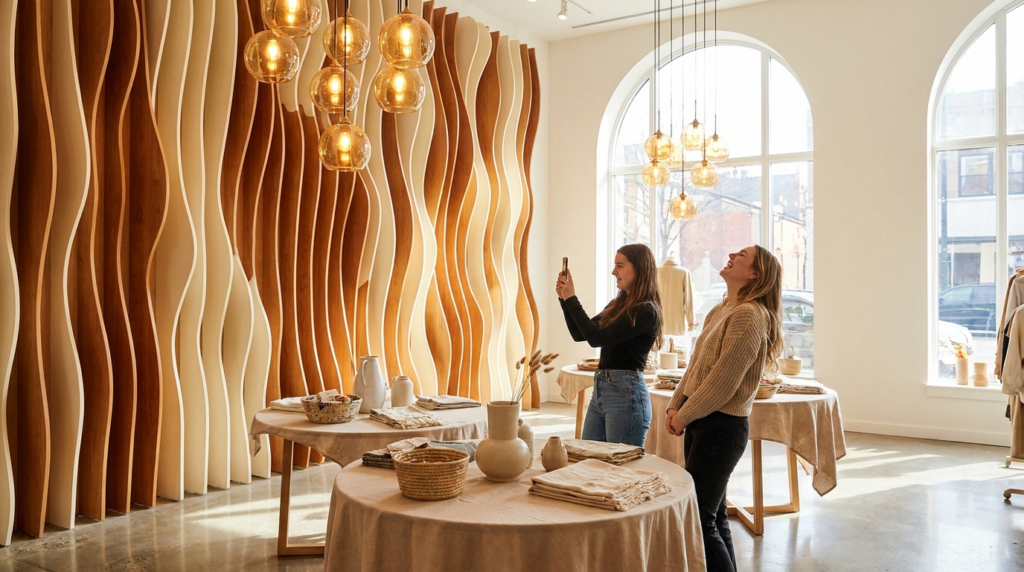
A signature visual moment turns every visitor into a content creator.
Build at Least One "Shareable Moment"
This is non-negotiable in 2026. Whether it’s an oversized installation, a custom photo booth, or an interactive screen, give visitors something they want to capture and post. Free social reach is the most valuable currency a pop-up can earn.
Plan the Customer Flow
Walk through your space like a first-time visitor. Where do their eyes go? Where do they linger? A well-designed pop-up guides people from the entrance, through discovery, into product interaction, and finally to checkout or data capture without feeling rushed.
Don't Forget the Sensory Details
Music, scent, lighting, and texture all shape how customers feel. A Harvard Business Review feature on multisensory marketing found that brands engaging three or more senses see significantly stronger emotional connection and recall. Small touches like a signature playlist or branded scent lift the experience dramatically.
Step 4: Build a Pre-Launch Marketing Engine
Most pop-ups fail not because of the shop itself, but because nobody knew it was happening. Promotion should start at least three to four weeks before opening day.
Tease on Social Media
Drop hints, share location reveals, and run countdown content. Create a campaign hashtag and use it consistently across every channel.
Partner With Local Influencers and Creators
Identify five to ten micro-influencers (5,000–50,000 followers) in your target city. Offer an exclusive preview, VIP perks, or product gifting in exchange for content. Local creators move local audiences far more effectively than national celebrities.
Pitch Local Media and Email Your List
Send a short press release to local lifestyle blogs and city magazines. A single mention in a publication like blogTO or Toronto Life can drive hundreds of visitors. Also email your existing list a week before opening, on launch day, and during the final weekend with an in-person incentive.
Step 5: Staff With Trained Brand Ambassadors
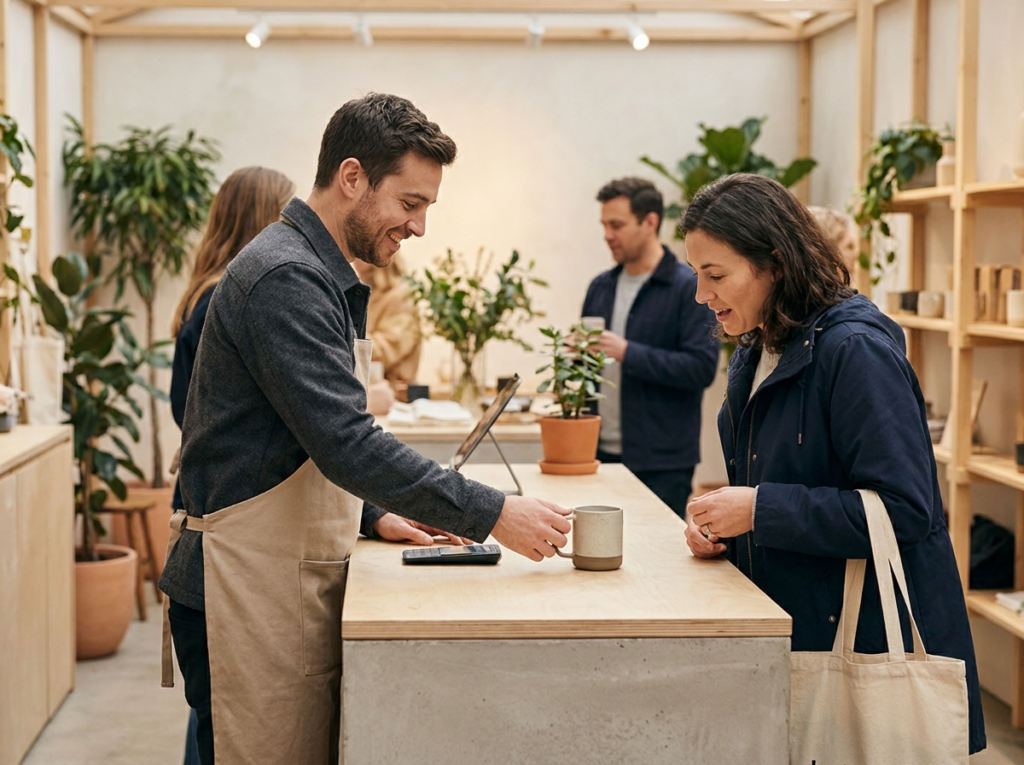
The people inside your pop-up matter as much as the design. Visitors form opinions in seconds, and the staff are doing most of the talking. Brand ambassadors should know your story, product details, and key talking points cold. They should capture email signups naturally, encourage social shares, and recognize when a curious visitor is ready to convert.
Trained ambassadors are the difference between browsing and buying.
Step 6: Capture Data and Measure What Matters
A pop-up that closes without leaving you with usable data is a missed opportunity. Build measurement in from day one.
Key metrics include foot traffic, conversion rate, average transaction value, email signups, social mentions, dwell time, and post-event sentiment. QR codes, RFID wristbands, or a simple clipboard at the entrance can capture this unobtrusively. After closing day, send a follow-up survey and combine responses with sales data to see what worked.
How Brand Guruz Helps You Pull It Off
Running a great pop-up requires juggling real estate, design, staffing, promotion, and analytics simultaneously. The team at Brand Guruz specializes in turning pop-up shop concepts into fully realized experiences across Toronto, Vaughan, and the broader GTA. From scouting locations to staffing trained ambassadors and measuring results, we handle the moving parts so brands can focus on the story they want to tell.
The brands that win in retail in 2026 won’t be the ones with the biggest stores. They’ll be the ones who show up where their customers are, create moments worth talking about, and turn fleeting visits into long-term loyalty.