Mid-Autumn Festival marketing in Canada is the most commercially significant Chinese Canadian brand opportunity that most marketers have never activated against. Specifically, Statistics Canada’s 2021 Census puts China as the country of origin of approximately 1.7 million Canadians. This makes Chinese Canadians the largest East Asian Canadian community nationally. Mid-Autumn Festival 2026 falls in late September. It is the second major commercial peak in the Chinese Canadian consumer calendar, after Lunar New Year in February.
Most brands that market to Chinese Canadian consumers treat Lunar New Year as the only annual activation window. Consequently, Mid-Autumn Festival marketing in Canada is almost entirely uncontested brand territory. The mooncake gifting economy, the corporate gift basket tradition, and Tết Trung Thu in Vietnamese Canadian communities represent commercial opportunities that very few Canadian brands have recognized.
This guide covers the communities observing Mid-Autumn Festival in Canada, the mooncake economy, the Vietnamese Tết Trung Thu angle, and what effective activation looks like. For the Lunar New Year companion guide, see our Lunar New Year marketing Canada guide. The full 2026 cultural occasions overview is in our Canadian multicultural events calendar.
Mid-Autumn Festival 2026, the second major Chinese Canadian commercial peak of the year after Lunar New Year
the price range for premium mooncake gift boxes exchanged between Chinese Canadian families and businesses — one of the highest per-unit gift values of any multicultural festive occasion
distinct communities observing the Mid-Autumn period in the GTA: Chinese Canadian (mooncake gifting), Vietnamese Canadian (Tết Trung Thu children’s lantern festival), and Korean Canadian (Chuseok harvest gathering)
Mid-Autumn Festival marketing in Canada operates in a completely different commercial register from Lunar New Year. Specifically, Lunar New Year is a 15-day family reunion and new-beginning celebration. Mid-Autumn Festival is a harvest celebration centered on the full moon, family gathering, and gifting — with distinct visual language, food traditions, and brand touchpoints.
The creative distinction matters. Specifically, red envelopes, zodiac animals, and firecrackers belong to Lunar New Year creative. Mooncakes, round lanterns, the harvest moon, and the Chang’e moon goddess legend belong to Mid-Autumn Festival creative. A brand that runs Lunar New Year creative in September signals cultural unfamiliarity immediately.
Moreover, Mid-Autumn Festival marketing in Canada reaches a distinct purchasing context. Specifically, Lunar New Year drives food, gifting, and clothing purchases across the full community. Mid-Autumn Festival is more narrowly focused — mooncakes, premium gift boxes, family food gathering, and corporate gifting. This narrower focus makes it a high-precision brand activation window rather than a broad-reach occasion. Google Canada research confirms that culturally specific occasions generate higher per-impression engagement than generic cultural marketing.
Additionally, the competitive landscape for Mid-Autumn Festival marketing in Canada is almost empty. Specifically, Lunar New Year receives activation from dozens of mainstream Canadian brands annually. Mid-Autumn receives almost none. A brand that activates at Mid-Autumn Festival marketing in Canada achieves share of voice that costs significantly more to achieve at Lunar New Year.

Chinese Canadians represent the primary audience for Mid-Autumn Festival marketing in Canada. Specifically, both Cantonese-speaking and Mandarin-speaking Chinese Canadian communities observe the festival — though with some variation in tradition. Mandarin-speaking families in Markham and Richmond Hill tend toward large family reunion dinners and premium mooncake exchanges. Cantonese-speaking families in Scarborough observe with equal intensity, often through community events and traditional food preparation.
Vietnamese Canadians observe the same lunar period as Tết Trung Thu — the Vietnamese Children’s Festival. Specifically, Tết Trung Thu is a distinct cultural expression — children, lantern processions, and bánh trung thu (Vietnamese mooncakes with different fillings and wrappings). Vietnamese community associations in Scarborough’s Agincourt corridor organize Tết Trung Thu celebrations that draw the broader Vietnamese Canadian community.
Korean Canadians observe the same lunar period as Chuseok — covered in detail in our Korean Canadian consumer guide. Specifically, Chuseok is a distinct harvest occasion with different traditions from the Chinese Mid-Autumn Festival. Brands seeking to reach Korean Canadians should follow the Chuseok activation model rather than the mooncake gifting model.
Furthermore, the GTA geography for Mid-Autumn Festival marketing in Canada concentrates in Markham and Richmond Hill for the Mandarin-speaking Chinese Canadian community. Scarborough serves the Cantonese and Vietnamese Canadian communities. North York carries both Korean and Chinese Canadian populations during the same late-September window.
The mooncake gift box is the signature commercial product of Mid-Autumn Festival marketing in Canada — with a corporate gifting dimension that most brands have never considered. Specifically, premium mooncake gift boxes are exchanged between Chinese Canadian families and businesses during Mid-Autumn Festival as a gesture of relationship maintenance. A senior executive at a Chinese Canadian company typically sends mooncake gift boxes to key clients, partners, and employees in September. This corporate gifting tradition mirrors Christmas hamper culture in mainstream business — but no mainstream Canadian brand is activating against it.
The retail mooncake market at T&T Supermarket, Foody Mart, and Chinese specialty bakeries peaks in the two to three weeks before Mid-Autumn Festival. Specifically, mooncake displays replace Lunar New Year merchandise as the primary seasonal retail fixture in Chinese Canadian grocery stores across the GTA each September. Brands that secure co-promotion positioning or shelf presence in these stores during this period reach Chinese Canadian consumers in peak gifting mode.
Additionally, premium food and beverage brands have a natural Mid-Autumn Festival marketing in Canada entry point. Specifically, pairing — premium tea, wine, or specialty food brands packaged alongside mooncake gift boxes — is an established gifting tradition. A brand that develops a Mid-Autumn Festival limited-edition product or packaging creates a seasonal product that the Chinese Canadian community actively looks for. The Edelman Trust Barometer confirms that culturally specific limited editions generate stronger community purchase intent than general seasonal marketing.
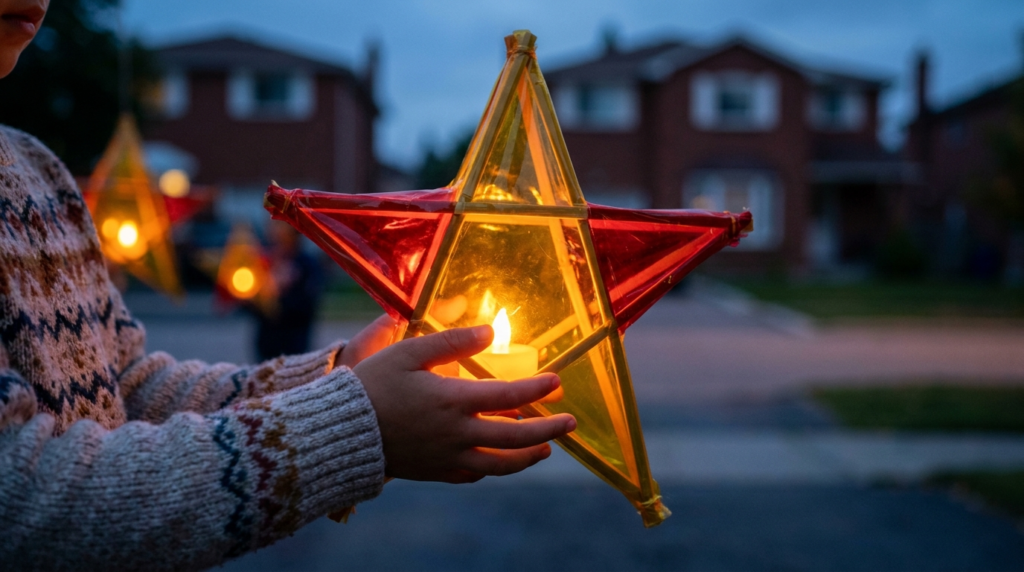
Tết Trung Thu is not the same occasion as the Chinese Mid-Autumn Festival. Specifically, while both fall on the same date, Tết Trung Thu centres on children. Lantern processions and bánh trung thu distribution define the occasion. The emotional register is entirely different from the Chinese family reunion and corporate gifting focus.
Brand activations appropriate for Tết Trung Thu are child-focused. Specifically, children’s product brands, family-oriented food brands, and community-oriented services fit the Tết Trung Thu activation context. Corporate-gift-focused mooncake branding does not. Vietnamese community associations in Scarborough’s Agincourt corridor organize Tết Trung Thu celebrations that draw hundreds of families. Brand presence at these events — lantern sponsorships, children’s activity areas, or bánh trung thu distribution — reaches Vietnamese Canadian families in a uniquely high-trust context.
Furthermore, Tết Trung Thu is an occasion almost entirely ignored by mainstream Canadian brand marketing. Specifically, Vietnamese Canadian consumers — concentrated in Scarborough — have essentially no Mid-Autumn Festival marketing in Canada directed at them from mainstream brands. A brand that shows up authentically at Tết Trung Thu occupies completely uncontested community territory. For the in-community activation model, see our multicultural brand ambassador guide and festival brand activation playbook.
Effective Mid-Autumn Festival marketing in Canada requires separate strategies for each community. Chinese mooncake gifting and Vietnamese Tết Trung Thu demand different formats entirely. Specifically, a single creative and ambassador approach cannot serve both contexts. The mooncake gifting occasion demands premium positioning, Mandarin and Cantonese language creative, and retail presence in Chinese grocery channels. Tết Trung Thu demands child-friendly formats, Vietnamese-language creative, and community event presence in Scarborough.
For Chinese Canadian Mid-Autumn Festival marketing, WeChat remains the primary peer-recommendation channel. Specifically, mooncake gift box recommendations and brand Mid-Autumn Festival posts spread through WeChat group chats in Markham and Richmond Hill at high velocity in September. A brand without WeChat-native content misses the dominant digital channel for this community during this occasion.
Additionally, the corporate gifting dimension of Mid-Autumn Festival marketing in Canada rewards B2B brand relationships. Specifically, brands that supply premium mooncake gift sets to Chinese Canadian businesses for client distribution reach the professional tier of the community through a trusted channel. This is a route that requires partnership with established mooncake suppliers but delivers brand association with premium gifting occasions across business networks. For the full activation framework, see our brand ambassador program guide and experiential marketing agency Toronto overview.
The most fundamental mistake is running Lunar New Year creative during Mid-Autumn Festival. Specifically, red envelopes, zodiac animals, and “Gong Xi Fa Cai” messaging belong exclusively to Lunar New Year. Using them in September signals to Chinese Canadian consumers that the brand has not paid attention to the cultural distinction between the two occasions.
The second mistake is ignoring the mooncake corporate gifting economy. Specifically, the B2B dimension of Mid-Autumn Festival marketing in Canada is significant. Mooncake gift boxes function as a professional relationship tool in Chinese Canadian business culture. Brands that only activate in consumer channels miss an entire professional network activation opportunity.
The third mistake is treating Tết Trung Thu as a footnote. Specifically, Vietnamese Canadian consumers in Scarborough observe a distinct and commercially active festive occasion in late September. A brand that directs all its Mid-Autumn Festival marketing in Canada at Chinese Canadian mooncake gifting is missing a separate and uncontested community entirely.
Finally, many brands skip Mid-Autumn Festival marketing in Canada because Lunar New Year is the “known” occasion. Consequently, brands that activate at Mid-Autumn Festival achieve community visibility at a fraction of the cost of the February Lunar New Year season.
When is Mid-Autumn Festival 2026 in Canada? Mid-Autumn Festival 2026 falls in late September — on the 15th day of the eighth lunar month, when the moon is at its fullest. The commercial window opens two weeks before and runs through the festival evening.
What is the difference between Chinese Mid-Autumn Festival and Vietnamese Tết Trung Thu? Both fall on the same date but are distinct cultural occasions. Chinese Mid-Autumn Festival centres on mooncake gifting and moon viewing. Vietnamese Tết Trung Thu centres on children — lantern processions and bánh trung thu. Effective Mid-Autumn Festival marketing requires separate approaches for each community.
What is the mooncake corporate gifting economy and why does it matter? Mooncake gift boxes are exchanged between Chinese Canadian businesses and their clients and employees during Mid-Autumn Festival — functioning as the Chinese Canadian equivalent of Christmas hampers. Premium gift boxes range from $60 to $200 and above. Brands that secure co-branding or supply partnerships here reach the professional tier of the Chinese Canadian community through a high-trust channel.
Which GTA communities matter most for Mid-Autumn Festival marketing? Markham and Richmond Hill are the primary zones for Mandarin-speaking Chinese Canadian consumers. Scarborough serves Cantonese-speaking Chinese Canadian and Vietnamese Canadian Tết Trung Thu audiences. North York carries both Chinese and Korean Canadian populations across the same late-September window.
How does Mid-Autumn Festival marketing in Canada compare to Lunar New Year activation? Mid-Autumn Festival marketing in Canada is narrower — primarily mooncake gifting, corporate gift boxes, and premium food. Lunar New Year is broader — clothing, jewellery, financial products, and red envelope gifting across a 15-day window. Mid-Autumn Festival offers far less brand competition.
Talk to Brand Guruz about building a Mid-Autumn Festival marketing program in Canada. We cover Chinese Canadian mooncake gifting in Markham, Richmond Hill, and Scarborough, and Vietnamese Tết Trung Thu community presence — with Mandarin, Cantonese, and Vietnamese ambassador teams.